Synchrony
Review available Synchrony financing information for eligible purchases. Approval and final terms are established by the provider’s written offer.
Learn About SynchronyPayment Options
Volt Rush USA offers multiple ways to purchase an eligible electric dirt bike. Available programs may differ in structure, eligibility, cost and terms. Review each option separately and use the provider’s secure application process before making a decision.
Payment options are provided by third parties. Provider terms and written agreements control.
Quick answer
Volt Rush USA offers access to separate third-party payment paths: the Synchrony Outdoors credit card, Synchrony secured installment financing for qualifying transactions, and American First Finance Lease-to-Own. Each program has its own eligibility, terms, covered purchases and provider-controlled process.
Compare separately
Review available Synchrony financing information for eligible purchases. Approval and final terms are established by the provider’s written offer.
Learn About Synchrony
Get it now. Pay over time. All Credit Welcome!
Complete sensitive information only through American First Finance’s secure application process. Volt Rush USA does not collect this information on this page.
Applications may be for payment solutions through American First Finance or loans originated by FinWise Bank, a Utah-chartered bank, Member FDIC. Products may vary by location. Terms and conditions subject to change at any time without prior disclosure or notice. See agreement for details.
You’ll continue to American First Finance to complete the application.
American First Finance — Apply Now (opens in a new tab)Four steps
Know which Volt Rush model you are considering and review the current listed price.
Understand whether you are considering financing or Lease-to-Own.
Review the applicable provider terms and conditions before submitting an application.
Complete sensitive financial information only through the provider’s secure application process.
Current inventory
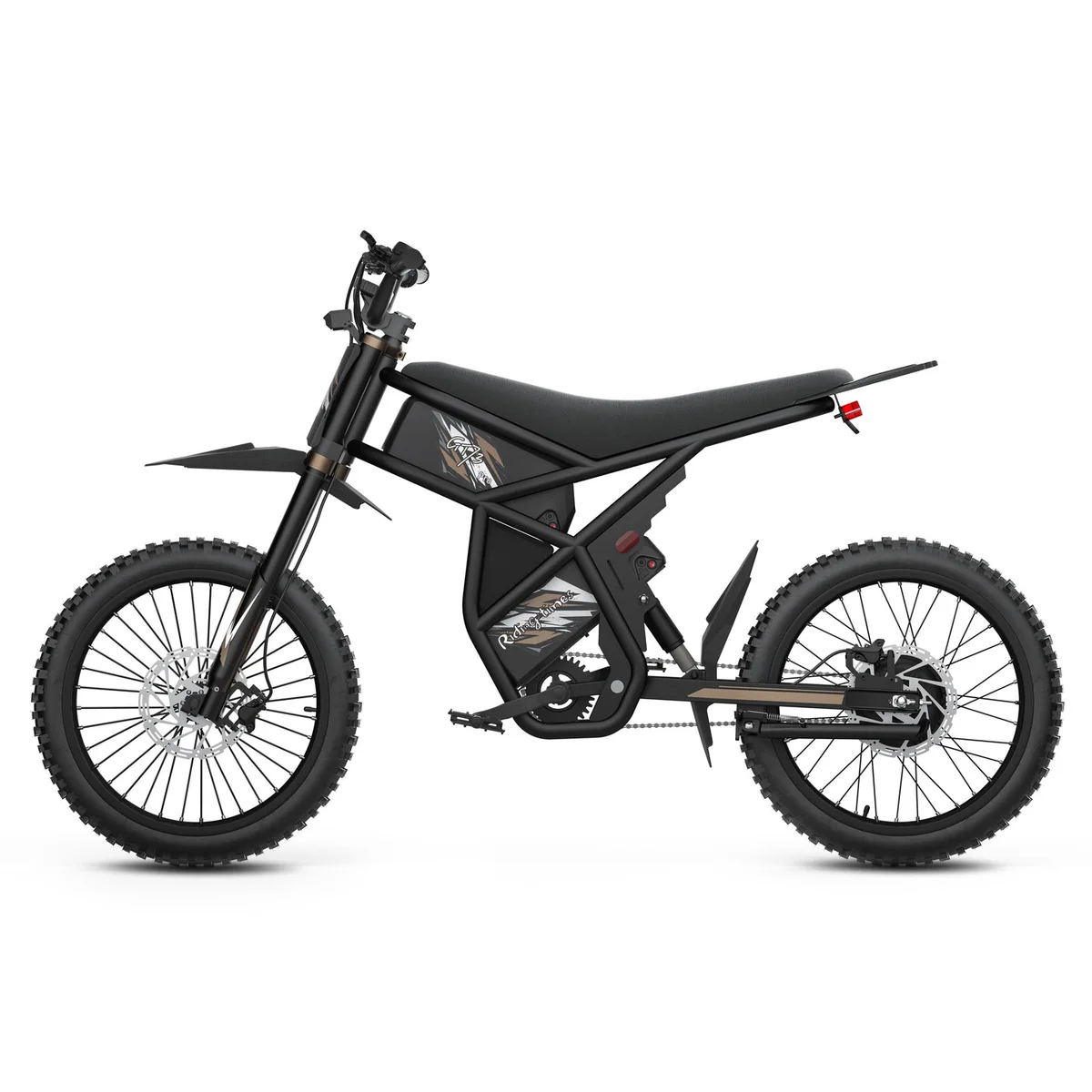
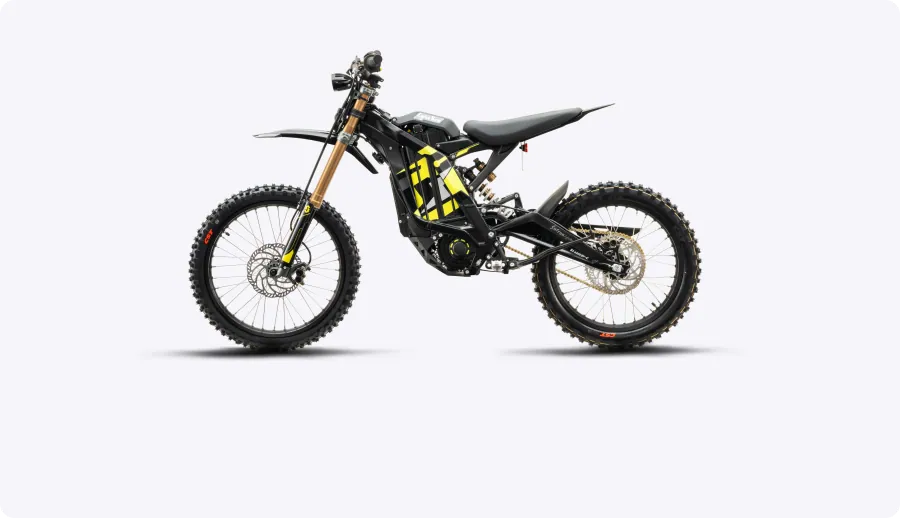
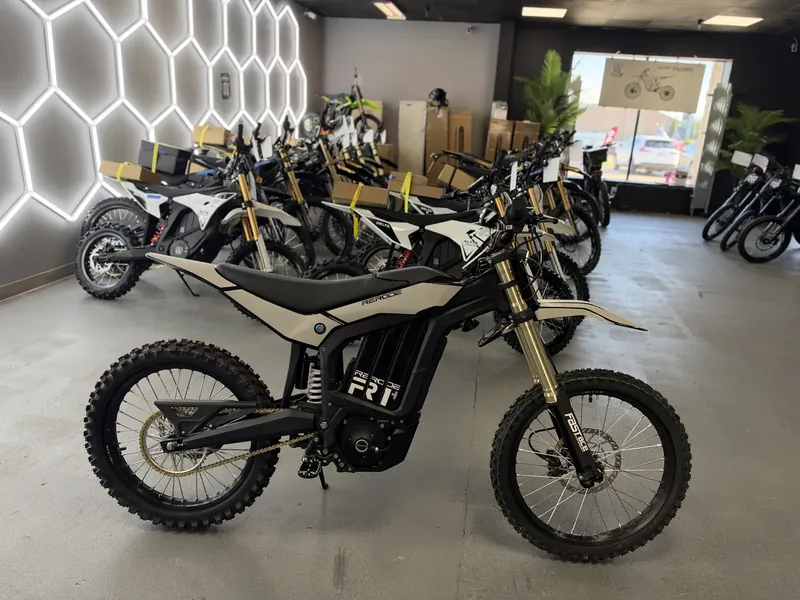
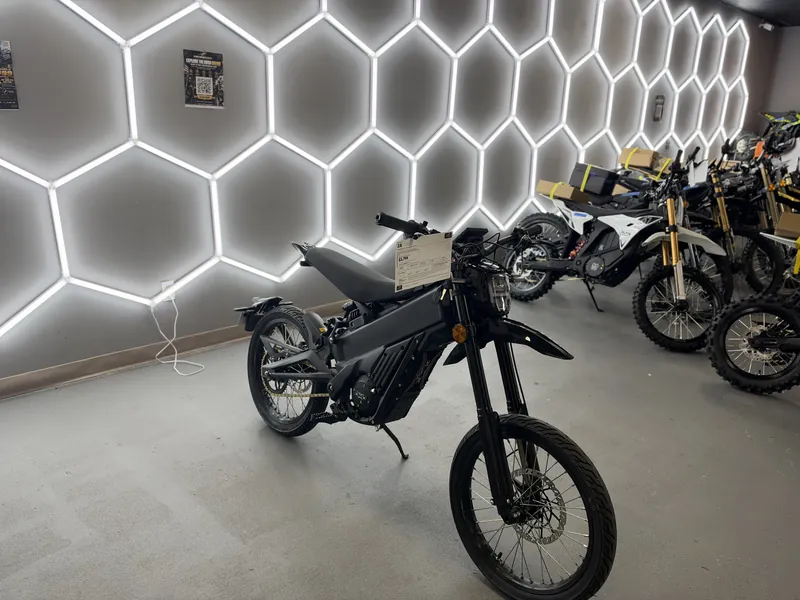
Prices and availability reflect the current inventory page and may change. Confirm availability with the showroom.
Synchrony offers more than one type of credit product. Confirm which program applies to the purchase you are considering, then rely on Synchrony’s current application, disclosures and written agreement.
Use Volt Rush USA’s verified Synchrony page to apply or review the available prequalification path. You’ll continue to Synchrony’s secure website to enter any sensitive information.
 Apply with Synchrony (opens in a new tab)
* Subject to credit approval. Covered purchases, available promotions, credit limits and account terms are determined by Synchrony.
This is a separate financing program that may be available for qualifying larger purchases. Ask the showroom whether secured installment financing is available for the exact transaction you are considering.
Volt Rush USA does not approve applications or promise a particular program, rate, payment, promotion, credit limit or eligible purchase. Synchrony’s current disclosures and final written agreement control.
Direct answers
Yes. The verified link on this page continues to a Synchrony-hosted page where you can choose the available application or prequalification path. Read Synchrony’s disclosure before continuing.
No. They are separate credit products. Ask which program applies to the purchase you are considering and review the provider’s written terms.
No. The link provides access to Synchrony’s process; it does not promise that a particular bike, accessory, service or transaction qualifies.
Yes. Use the American First Finance application link provided on this page to continue to the provider’s secure application process.
No. Application decisions and transaction terms are determined through the applicable provider process.
American First Finance’s Lease-to-Own program is a lease, not a loan or credit transaction.
No. American First Finance states that a hard credit inquiry may be processed as part of its underwriting process.
Volt Rush USA does not promote American First Finance Lease-to-Own as a credit-building product.
Photo ID, SSN or ITIN, and an active bank account and debit card.
Local help
2903 N St Peters Pkwy, Suite B
St Peters, MO 63376
Phone: 314-664-1185
Hours: Monday–Saturday, 10:00 AM–7:00 PM
Visit the physical showroom to see real inventory and ask for help comparing the available provider paths.
Your next step
Payment-option information is maintained by Volt Rush USA using provider-supplied materials. Program information may change. Transaction-specific terms and provider agreements control.
Last reviewed: