Surron Light Bee X Range Expectations
The range question gets messy because people compare brochure conditions to real roads, real weather, and real throttle habits. The useful answer is not one perfect number. It is understanding what moves the number up or down before you plan the ride.
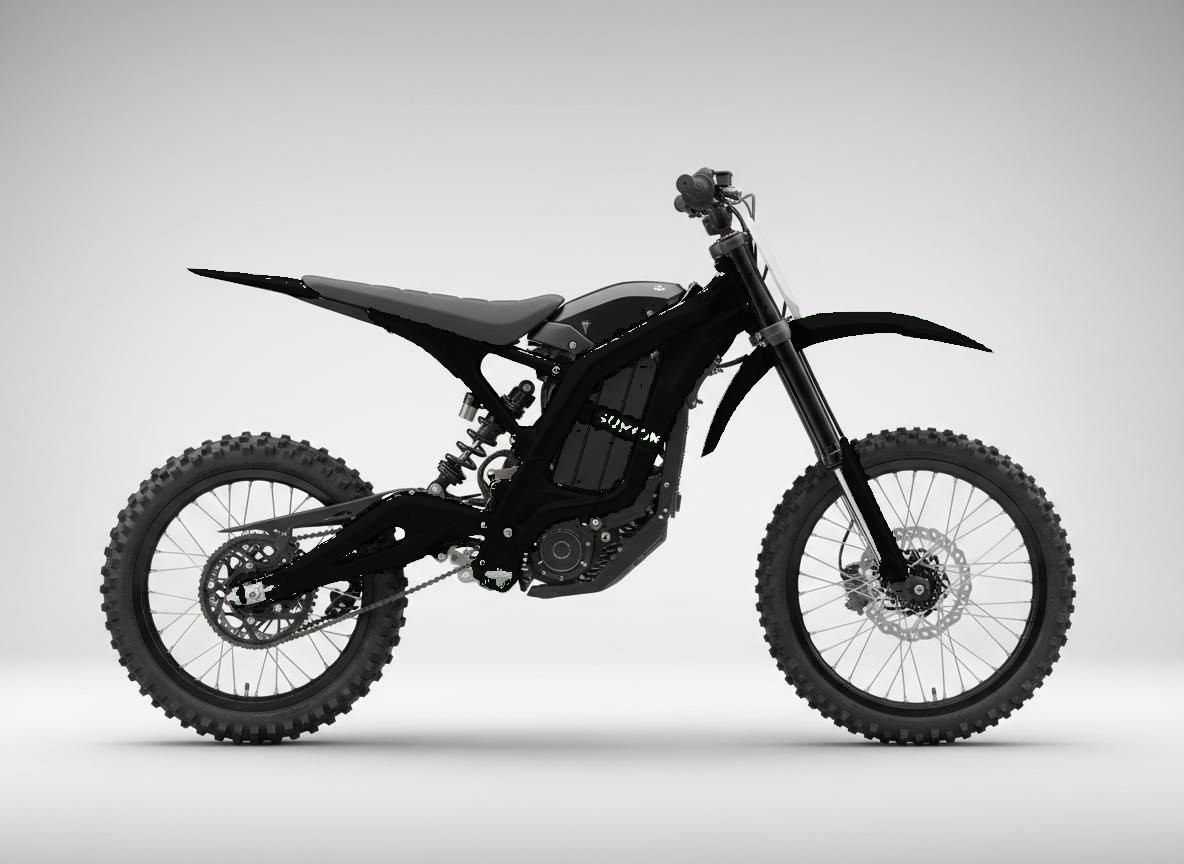
Why brochure range and real range split apart
Manufacturer range numbers are built around specific conditions. Real rides are not. They include starts and stops, variable speeds, colder temperatures, actual hills, heavier riders, trail sections, wind, and a rider who does not always behave like a range engineer.
That gap does not mean the manufacturer number is fake. It means the test and the ride are not the same thing.
The biggest range killers
- Higher sustained speed: range usually falls fastest when the bike lives at the top of its pace instead of the middle.
- Cold weather: winter conditions change battery behavior and rider expectations need to get more conservative.
- Soft terrain and hills: sand, climbs, and repeated acceleration ask more from the battery than smooth low-speed cruising.
- Rider and gear weight: load matters.
- Throttle habits: repeated hard launches cost more than riders like to admit.
What a St. Louis rider should plan around
If the ride includes colder weather, mixed city use, trail sections, or sustained faster stretches, plan around a conservative range expectation instead of the best-case number. That matters even more if the ride does not include an easy charging option at the end.
St. Joe planning is not the same as flat-road planning
A trail destination changes the math. Even if the road ride out feels efficient, the trail section can shift the battery story fast. St. Joe is the kind of place where terrain, throttle, and stop-start riding matter more than a tidy single-number range estimate.
The right question is not "Can I match a brochure number on the way there?" The right question is "Will the battery plan still make sense after the destination riding starts?"
How to get closer to the better end of the range window
- Ride with smoother throttle inputs.
- Keep the bike in the calmer part of its speed range when possible.
- Do not ignore temperature.
- Start with a healthy battery and realistic route plan.
- Do not build the whole day around the last few percent of battery.
What this page does not claim
This page does not invent a GPS-backed test, publish a fixed South Grand-to-St. Joe result, or claim a specific miles-achieved number without supporting ride data. If a range test is going to be published as a true real-world test, it should come with the actual route log, conditions, and evidence.
Battery habits shape range just as much as route planning does.
Read the winter-riding guideCold weather is one of the fastest ways to make a range plan too optimistic.
Read the trail guideThink about the destination terrain before you commit the whole battery plan to the road ride.
Why does real Light Bee X range differ from the manufacturer number?
What hurts range the fastest?
Should riders plan around the full brochure number?
Contact the showroom
See current models in person and ask about payment options at our St. Peters showroom.
Stop In Today — It’s On The Floor